

Credit rating agencies in India play a crucial role in the financial ecosystem by assessing the creditworthiness of borrowers, businesses, and financial instruments. Their evaluations help lenders and investors make informed decisions, ensuring economic stability and mitigating risks. With the rise of instant loan apps without credit scores, understanding the significance of these agencies becomes even more essential.
In this article, we’ll provide a detailed overview of credit rating agencies in India, their key functions, and their growing relevance in today’s dynamic financial landscape.
What Are Credit Rating Agencies?
credit rating agencies india evaluate and assign ratings to entities such as companies, financial institutions, governments, and various financial instruments like bonds and securities. These ratings reflect the borrower’s ability to meet their debt obligations and provide an insight into associated risks. In simpler terms, they act as an indicator of whether a borrower is likely to default or honor their financial commitments.
Major Credit Rating Agencies in India
India boasts several credit rating agencies that are recognized and regulated by the Securities and Exchange Board of India (SEBI) and the Reserve Bank of India (RBI). The most prominent credit rating agencies in India include:
Credit Rating Information Services of India Limited (CRISIL)
CRISIL is India’s foremost credit rating agency, offering ratings across segments like banks, companies, and securities. It is globally renowned and recognized for providing detailed insights into credit risks.
ICRA Limited
ICRA, also known as Investment Information and Credit Rating Agency, is another popular credit rating agency in India. It operates across multiple financial sectors and helps lenders assess borrower reliability and risks associated with investments.
CARE Ratings
CARE Ratings provides detailed evaluations of companies, businesses, and industries in India. It plays a significant role in analyzing financial stability and helping investors make informed decisions.
India Ratings and Research (Fitch India)
An affiliate of Fitch Ratings, India Ratings and Research caters to the Indian market by offering credit ratings pertaining to bonds and financial instruments.
Brickwork Ratings
Brickwork Ratings primarily focuses on small and medium enterprises (SMEs) and has carved a niche for itself in assessing financial stability for businesses seeking credit.
SMERA Ratings
SMERA specializes in evaluating small and medium enterprises, enhancing transparency and trust among lenders.
Role of Credit Rating Agencies in Credit Scoring
Credit rating agencies play a vital role in India’s financial framework by contributing to credit scoring. Here’s how they influence the credit process:
Improving Transparency
These agencies provide credible and transparent credit ratings, enabling lenders and investors to gauge the risk level associated with borrowers. This transparency minimizes ambiguity in financial decision-making.
Promoting Investor Confidence
Investors rely on credit ratings to understand the stability and profitability of financial instruments and businesses. Positive ratings often attract higher investments, boosting the economy.
Facilitating Loan Disbursement
For individuals and businesses seeking loans, their credit scores often determine eligibility and loan terms. Credit rating agencies help banks and other financial institutions determine the risks associated with lending.
Mitigating Defaults
By providing accurate and unbiased evaluations, these agencies minimize the chances of loan defaults and safeguard lenders from financial losses.
Evaluating Financial Instruments
In addition to entities, credit rating agencies assess bonds, securities, and other instruments to ensure their value aligns with market expectations.
Instant Loan Apps without Credit Scores: Modern Trends and Challenges
The financial lending landscape in India is rapidly evolving with the emergence of instant loan apps without credit scores. These platforms offer quick loans without relying on traditional credit scores provided by credit rating agencies. While they cater to borrowers who lack credit history, they also pose certain challenges and risks.
Pros
Accessibility
Instant loan apps provide loans to individuals who may not have established credit scores, such as first-time borrowers or those from underserved segments.
Speed
Loans are disbursed within hours, bypassing the lengthy processes involved in traditional lending.
Flexibility
Apps often have user-friendly interfaces, making borrowing simple and convenient.
Cons
Higher Interest Rates
Without the backing of a credit score, these apps compensate for risks by charging steep interest rates.
Potential for Default
Assessing a borrower’s true capacity to repay becomes tricky without traditional credit data, leading to risks of defaults.
Risks of Over-Lending
These apps may enable impulsive borrowing, which can result in individuals falling into debt traps.
The Relationship Between Instant Loan Apps and Credit Rating Agencies
Although instant loan apps may not rely directly on ratings from credit rating agencies, the growing popularity of such platforms should push credit rating agencies to innovate new methods to capture the financial behavior of individuals who currently remain outside the formal lending system. Employing alternative credit assessment tools can bridge the gap between traditional agencies and modern lending technologies.
Significance of Credit Scores in Financial Stability
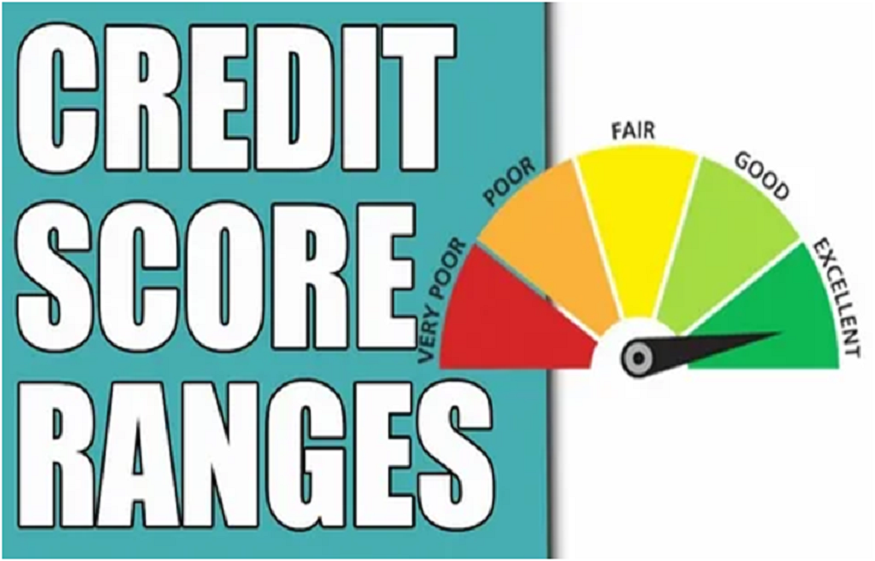
Credit scores derived from ratings by these agencies serve as critical indicators of how individuals and businesses manage their finances. A strong credit score reflects financial discipline and increases an entity’s borrowing capability, while a poor score can shrink opportunities and attract penalties like higher interest rates.
With the advent of instant loan apps offering loans without traditional credit evaluation, the significance of credit scores remains vital for ensuring long-term financial stability and reducing risks in India’s economy.
The Future of Credit Rating Agencies in India
The rise of digital lending platforms and fintech solutions like instant loan app without credit score options and other instant loan apps puts credit rating agencies in a transformational period. These agencies must adapt to the changing landscape by leveraging technologies like Artificial Intelligence (AI) and Big Data. The emergence of alternative credit scoring methods, such as analyzing online payment habits, mobile phone bills, and shopping patterns, could enhance the inclusivity of India’s financial network.
Collaborating with fintech firms can also help credit rating agencies reach a broader audience and create more accurate financial profiles for individuals who may have been excluded by traditional credit-scoring techniques.
Conclusion
Credit rating agencies in India are indispensable for maintaining transparency, fostering trust, and mitigating risks in the financial system. Their assessments enable lenders, investors, and borrowers to make prudent financial decisions. While the rise of instant loan apps without credit scores offers new opportunities, it also underscores the need for innovation in credit scoring mechanisms.
As India’s financial landscape evolves, credit rating agencies must embrace emerging technologies and collaborate with modern lending platforms to remain relevant. Maintaining the integrity of India’s credit system hinges on bridging the gap between traditional evaluation methods and the dynamic needs of digital lending. By doing so, credit rating agencies can continue to play a pivotal role in strengthening the nation’s economic stability.