

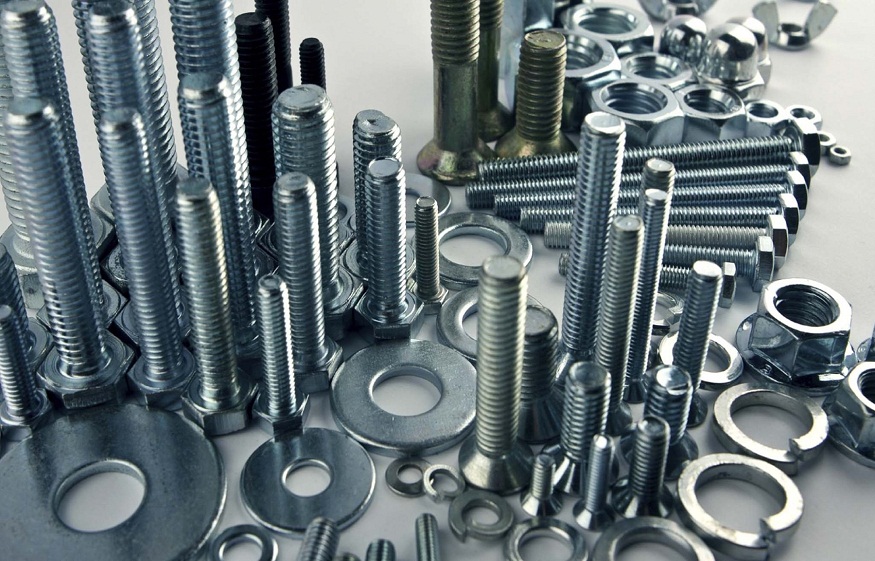
Industrial development relies heavily on components that often go unnoticed, yet play a critical role in everyday operations. Among these, industrial fasteners are essential in ensuring structural stability, operational safety, and long-term durability. Whether used in construction, automotive manufacturing, heavy machinery, or infrastructure projects, fasteners form the backbone of mechanical integrity and reliability.
What Are Industrial Fasteners?
Industrial fasteners are hardware devices designed to mechanically join or secure two or more components together. Common examples include bolts, nuts, screws, washers, rivets, and specialized locking systems. Unlike permanent joining methods such as welding or adhesives, fasteners provide the advantage of easy disassembly, making maintenance, repairs, and upgrades more efficient.
Suppliers such as https://www.schutts.com.au offer a comprehensive selection of industrial fasteners that meet a wide range of engineering and industrial requirements. Their extensive product range ensures businesses can find the right fastening solution for any application while maintaining high standards of quality and performance.
Why Industrial Fasteners Matter
The importance of industrial fasteners lies in their ability to securely hold structures together under varying levels of stress. From large-scale bridges to intricate machinery, fasteners must withstand extreme loads, continuous vibrations, and challenging environmental conditions.
High-quality industrial fasteners provide several key benefits:
Read More : Produced out of renewable materials
- Ensure structural integrity in critical applications
- Improve workplace safety and reduce risks
- Minimise maintenance and repair costs
- Extend the lifespan of machinery and equipment
Businesses often rely on trusted suppliers like https://www.schutts.com.au because they provide durable, tested, and reliable fastening solutions suitable for even the most demanding environments.
Applications Across Industries
Industrial fasteners are used across numerous industries, highlighting their versatility and importance.
Construction
In construction, fasteners are vital for assembling steel frameworks, securing beams, and maintaining the overall stability of buildings and infrastructure projects.
Automotive
The automotive industry depends heavily on industrial fasteners to assemble engines, chassis, and internal components. Precision and strength are critical to ensure vehicle safety and performance.
Manufacturing
Manufacturing facilities use fasteners in machinery and production lines, where reliability and precision are essential for maintaining efficiency and productivity.
Aerospace
In aerospace applications, industrial fasteners must meet extremely strict safety and performance standards. They are designed to withstand high pressure, temperature variations, and intense vibration.
Types of Industrial Fasteners
Understanding the different types of industrial fasteners helps businesses choose the right solution for their needs:
- Bolts and Nuts – Ideal for heavy-duty and load-bearing applications
- Screws – Commonly used for smaller components and assemblies
- Rivets – Provide permanent fastening solutions where disassembly is not required
- Washers – Help distribute load evenly and reduce wear and tear
- Specialty Fasteners – Designed for unique or highly specific industrial applications
Suppliers like https://www.schutts.com.au provide a wide variety of industrial fasteners, ensuring compatibility with diverse applications and industry requirements.
Material Selection
Choosing the right material for industrial fasteners is crucial for ensuring performance and longevity. Different environments and applications demand specific material properties:
- Stainless Steel – Offers excellent corrosion resistance, ideal for outdoor or marine environments
- Carbon Steel – Known for its strength and durability in heavy-duty applications
- Brass – Provides good electrical conductivity and corrosion resistance
- Alloy Materials – Engineered for extreme conditions, including high temperatures and heavy loads
Selecting the appropriate material helps prevent issues such as corrosion, fatigue, and mechanical failure.
Quality and Reliability
Quality is one of the most important factors when selecting industrial fasteners. Poor-quality fasteners can lead to catastrophic failures, safety hazards, and costly downtime. This is why businesses prioritise sourcing from reputable suppliers.
According to https://www.schutts.com.au, their industrial fasteners are sourced from trusted manufacturers and undergo strict quality control processes. This ensures consistent performance and reliability across all applications, giving businesses confidence in their operations.
Conclusion
Industrial fasteners are fundamental to modern engineering and infrastructure. Their role in maintaining safety, stability, and efficiency cannot be overstated. From construction and automotive to aerospace and manufacturing, these components are essential for holding systems together and ensuring long-term performance.
Read More : Get Trustworthy Gear Cutting Tools
By sourcing high-quality industrial fasteners from reliable providers like https://www.schutts.com.au, businesses can enhance operational efficiency, reduce risks, and ensure the success of their projects. Investing in the right fasteners is not just a technical decisionit is a critical step toward building safe and durable systems for the future.